
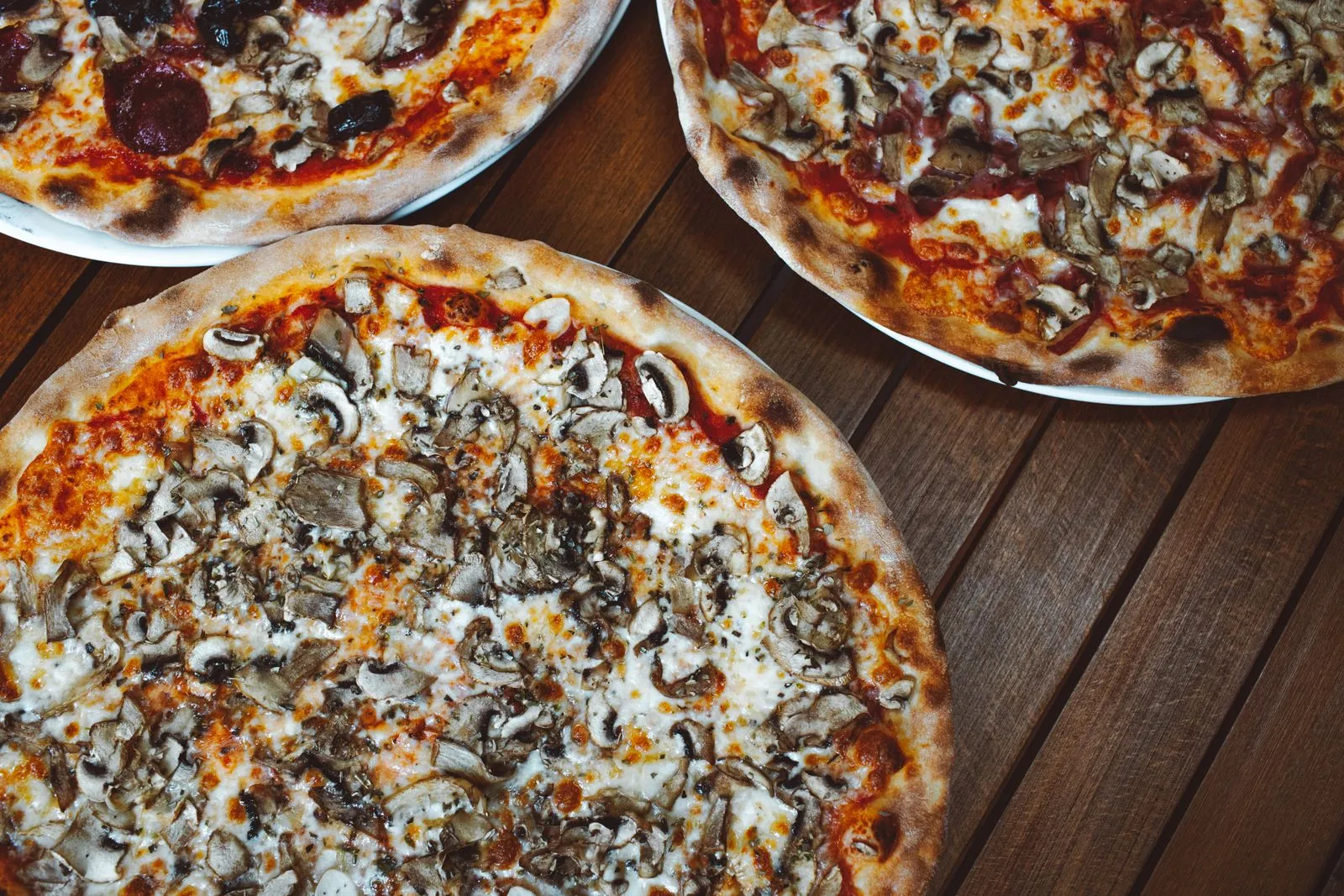
Ordering pizza for a group is easier when you plan for contrast rather than trying to find one pie everyone will love. Start with how your guests like their crust, then vary the toppings so the spread includes familiar, savory, and fresh flavors. A few practical questions—such as how many people are eating and whether anyone has dietary needs—can help you order enough variety without ending up with several pizzas that taste alike.
Choose a mix of crusts
Think about texture when choosing crust. A thin, crisp base keeps each slice light and lets toppings stand out, while a thicker or chewier crust feels more substantial. If your group has different preferences, choose more than one style rather than asking every pie to please the same palate. Check how the restaurant describes its crusts, since terms and preparation can vary.
Consider how the pizzas will be served, too. Thin slices can be easy to sample alongside several dishes, while a sturdier crust may hold generous toppings with less mess. For a smaller gathering, one crust style may be enough; for a larger group, a contrasting pair gives people a clear choice without making the order complicated.
Balance bold and familiar toppings
Build variety with flavor, not just a longer topping list. A classic combination of cheese and tomato or a simple meat topping gives cautious eaters a reliable option. Pair it with a pie featuring vegetables, herbs, or a more pronounced savory flavor for guests who want something different. This mix makes the order feel considered while keeping at least one pizza broadly appealing.
Pay attention to richness across the whole order. If one pizza has a salty or hearty topping, choose another with vegetables or a lighter flavor profile. Avoid repeating the same main ingredient on every pie unless you know the group prefers it. When in doubt, ask the pizzeria which combinations work well together and whether a requested topping can be left off part of a pizza.
Plan for the whole group
Before ordering, get a rough headcount and ask about dietary restrictions. Confirm whether guests avoid meat, dairy, gluten, or particular ingredients, and check how the restaurant handles preparation. A menu description may not answer questions about shared equipment or cross-contact, so contact the pizzeria directly when a restriction is serious. Keep a suitable option separate from heavily topped pies when the restaurant can accommodate that request.
Estimate portions based on the size of the pizzas, the group’s appetite, and whether you are serving sides. If guests will have salads or other food, they may want fewer pizza slices. For a meal centered on pizza, plan for a more generous spread. Ask about cut sizes and serving counts rather than assuming every pizza provides the same number of portions.
Make the order easy to share
Label each pizza when it arrives, especially if the group includes vegetarian guests or anyone avoiding an ingredient. Keep serving utensils nearby and set out plates and napkins before opening the boxes. If pizzas arrive at different times, leave the first ones covered briefly and serve them while warm; avoid stacking boxes tightly, which can trap steam and soften a crisp crust.
For a polished spread, arrange the pizzas so guests can see the differences at a glance: crust style, main toppings, and any special-diet option. Add simple sides only if they complement the order rather than competing with it. Linden Table in Chicago can help guests consider available crusts and topping combinations when planning a shared meal.
A successful pizza order gives guests meaningful choices without overwhelming the table. Pair contrasting crust textures, balance familiar toppings with a lighter or more distinctive pie, and confirm dietary needs before ordering. With a little planning, everyone can find a slice they enjoy. Check the menu and ask your pizzeria about options for your group.