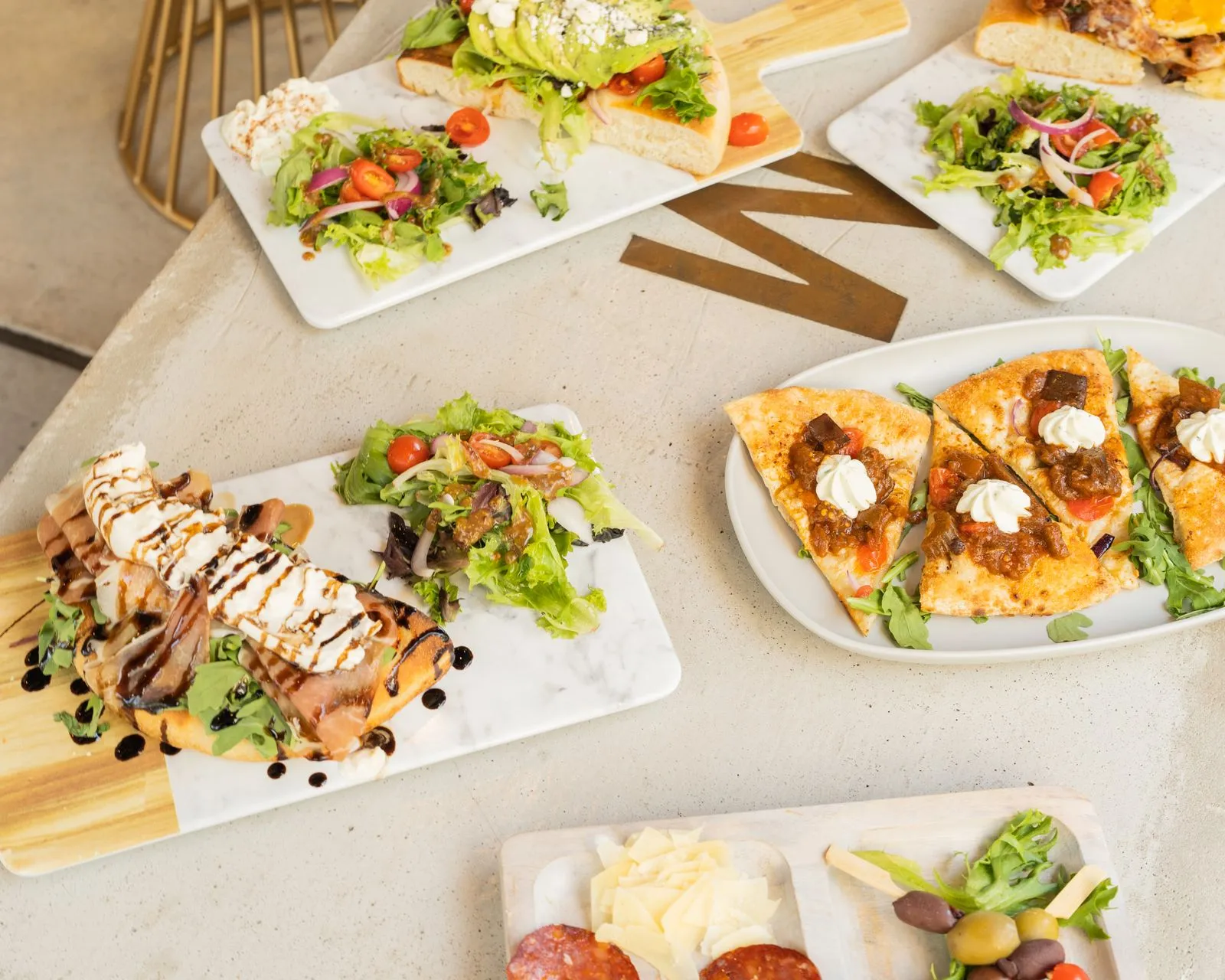
A thoughtful side can make pizza night feel more balanced without competing with the main event. Crisp greens and tangy dressings cut through cheese and oil, while roasted vegetables or simply seasoned potatoes add savory depth. The best pairing depends on the pizza’s toppings: a rich sausage pie calls for a different counterpoint than a delicate white pizza. Use a few straightforward principles to build a meal with contrast, variety, and flavors that work together.
Match richness with freshness
For pizzas layered with sausage, pepperoni, extra cheese, or creamy sauce, choose a salad with crisp texture and a lively dressing. Romaine, arugula, or thinly sliced fennel can stand up to bold flavors. Dress the greens with lemon juice or red wine vinegar, olive oil, salt, and pepper. The acidity refreshes the palate between bites, while a restrained amount of dressing keeps the salad from feeling heavy.
Keep rich-pizza salads simple. Add shaved Parmesan, cucumber, or a few olives, but avoid piling on several creamy or salty ingredients at once. If the pizza already has plenty of cheese, use less Parmesan in the salad. Serve the greens lightly dressed or put dressing on the side so they stay crisp and each person can adjust the brightness.
Give lighter pizzas savory contrast
A margherita, vegetable pizza, or white pie often benefits from a side with a deeper savory note. Try roasted mushrooms, broccolini, or cauliflower with olive oil, black pepper, and a little garlic. These sides add warmth and texture without overwhelming delicate toppings. For a simpler option, serve a small bowl of marinated olives or white beans seasoned with herbs and a squeeze of lemon.
Let the pizza guide the seasoning. If its toppings already include garlic, herbs, or salty cheese, keep the side more restrained. A vegetable side with a little char can echo roasted ingredients on the pie, while a fresh squeeze of lemon brings the flavors into balance. Serve sides in modest portions so the pizza remains the centerpiece.
Build contrast into every bite
Think about texture as well as flavor. A crisp salad pairs well with a soft, cheesy slice; tender roasted vegetables complement a crust with a firm, charred edge. If both the pizza and the side are soft, add crunch with toasted breadcrumbs, sliced radish, or a crisp vegetable. If the pizza is especially crunchy, a tender side can provide a satisfying change of pace.
A useful menu formula is one pizza, one fresh side, and—when the group wants a fuller spread—one warm savory side. Keep portions moderate and vary the textures rather than repeating the same ingredients. For example, pair a meat-heavy pizza with a sharp green salad and roasted vegetables, or serve a vegetable pie with olives and crisp greens dressed with lemon.
Serve sides at their best
Prepare cold salads shortly before serving, and add dressing at the last moment to preserve their crunch. Roast vegetables until tender with browned edges, then season while warm so the oil and herbs cling. Set sides out with the pizza instead of waiting until the meal is nearly finished; diners can alternate bites and adjust the balance as they eat.
Offer a small range of toppings and dressings rather than an elaborate spread. Lemon wedges, chili flakes, and extra vinegar give guests simple ways to brighten a rich slice. Keep strongly flavored sides separate from delicate pizzas, and place serving utensils with each dish to make sharing easy.
The most reliable pizza pairings balance rather than imitate the slice: fresh acidity for rich toppings, savory vegetables for lighter pies, and contrasting textures throughout the meal. Start with one well-dressed salad and add a warm side if needed. At Linden Table, consider these ideas the next time you plan a pizza meal.